
Blog
Insights and Innovation

Featured Blog
Why No Code Changes Matters More Than It Sounds
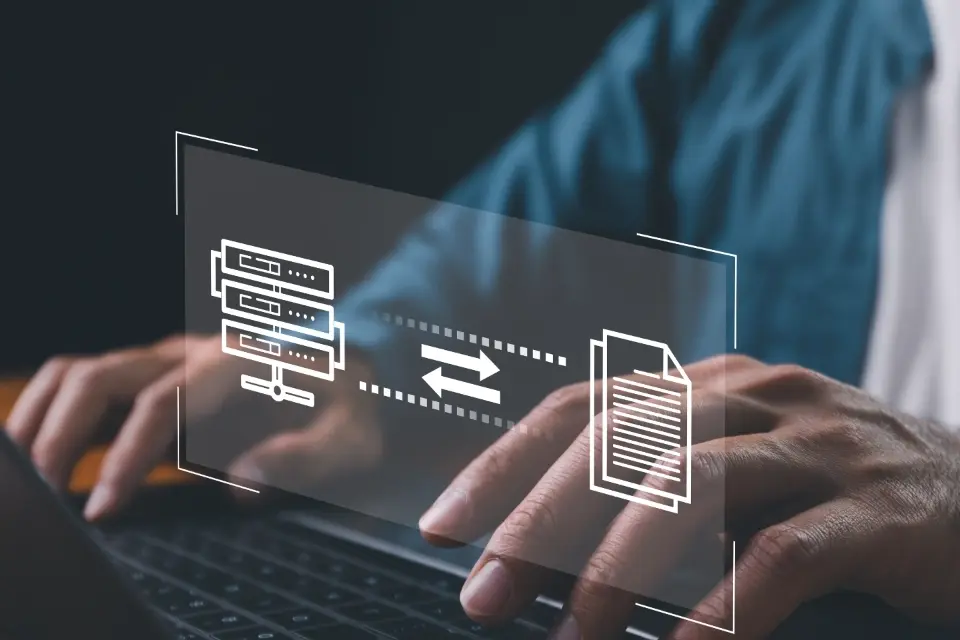
Many CICS and VSAM applications contain decades of critical business logic. SYSB-II helps improve CICS and batch VSAM file sharing without requiring application source code changes for selected workloads, which avoids the testing risk, cost, delay, and political resistance that come with changing legacy code.
STRATEGY
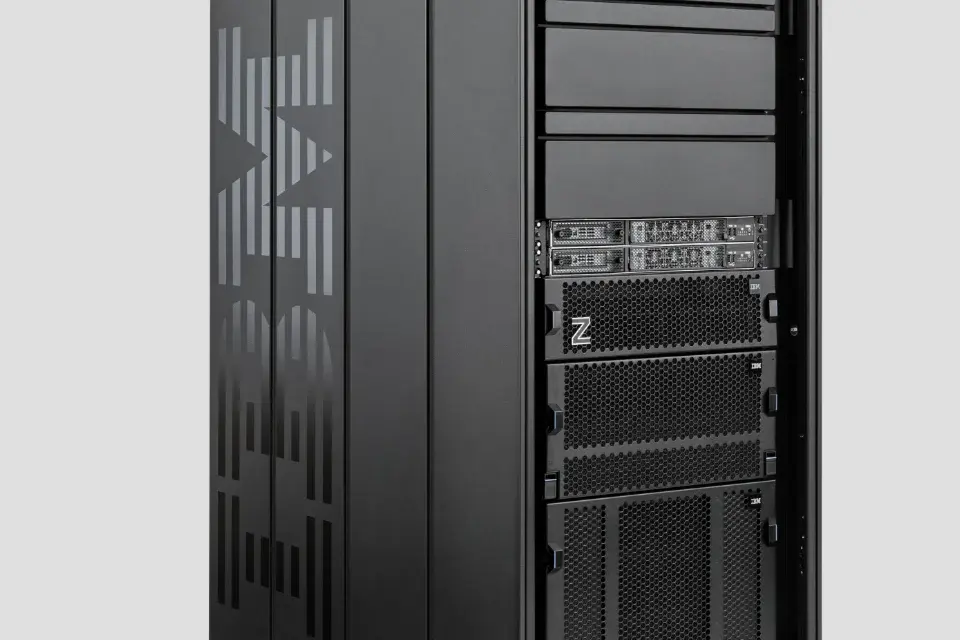
IBM z17™: Shaping the Future of AI on the Mainframe
IBM z17™ is purpose-built to help enterprises realize the full value of AI while maintaining the reliability, security, and scalability required for mission-critical operations. H&W helps mutual IBM Z clients remove operational limits from existing workloads with SYSB-II.
Read the blog
TECHNICAL
Inter-Sysplex VSAM file sharing
Multi-Sysplex data centers are not uncommon in large scale computing enterprises. Normally, VSAM cannot be shared across a Sysplex boundary.
Read the blog

EVALUATION
What to Ask Before Choosing a VSAM File Sharing Strategy
A VSAM file sharing strategy should be evaluated for more than concurrent access. Teams should also ask about data integrity, application code changes, recovery, performance, implementation effort, operational fit, and vendor commitment.
Read the blog
TECHNICAL
DevOps: Dual Language Include/Copy files
Few large development projects contain only one programming language. Frequently, in large projects two or more languages need to interact via calls, passing data from programs in one language to another.
Read the blog
TECHNICAL
Project Builds in Legacy Systems: DevOps - One size does not fit all!
Most large legacy projects have mixed teams, usually with some newer developers and a few developers with many years of experience. Mandating significant changes to their development practices can be disruptive to the team.
Read the blog

STRATEGY
How to Build the Business Case for Eliminating CICS Downtime
CICS downtime affects revenue, customer service, staff workload, stale data, and operational risk. This guide explains how to build a business case for SYSB-II and reduced batch-window downtime.
Read the blog